SEO for plumbers: how to be the one they call at 11pm

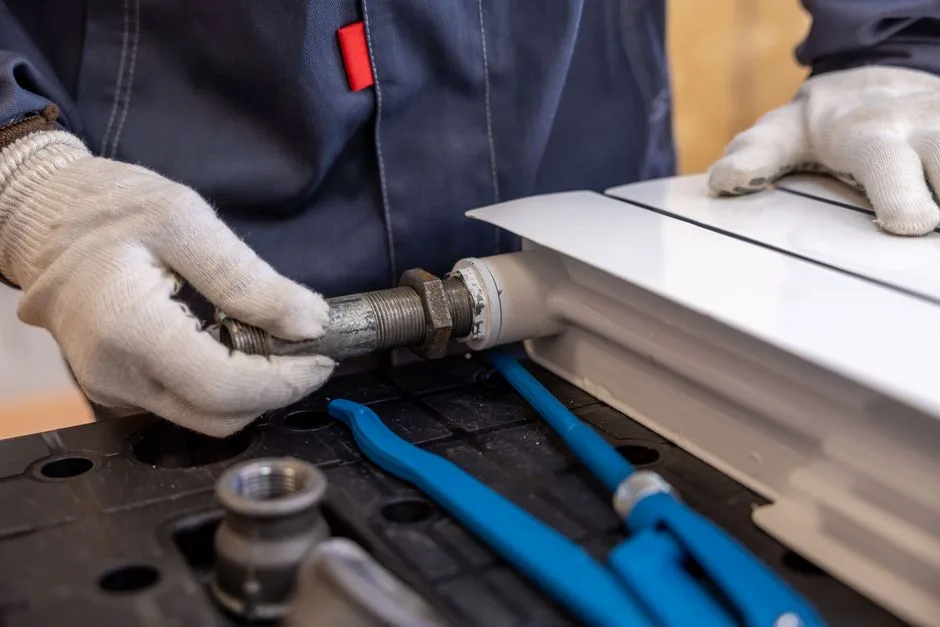
SEO for plumbers comes down to three moves: fill out your Google Business Profile and ask every happy customer for a review, build one page for each service you sell and each city you drive to, and text every lead back within seconds. Do those three and you show up where 97% of people are looking before they call anyone.
Let me guess: you've got the van and the reviews on the fridge. You've got a website your nephew built in 2017 and a phone that rings all July and sulks all October. Meanwhile some guy with half your experience sits on top of the map with a stock photo of a wrench. I grew our own local service business to 1,500 leads a month across search, ads and referrals, then sold it, and this is that, for plumbers, starting with the sulking phone.
Step one: win the map pack
The map pack is the three businesses with the pins at the top of a local search, and it's where the 11pm searches land. It's decided by three things you control: how filled-out your Google Business Profile is, how many recent reviews you have, and whether your website backs up what the profile says. Nobody googles “plumber” for fun. And yes, you'll google yourself to admire the pin, and nobody's judging (I'm judging a little).
Position ten is technically page one. The way the back row of a wedding is technically at the wedding.
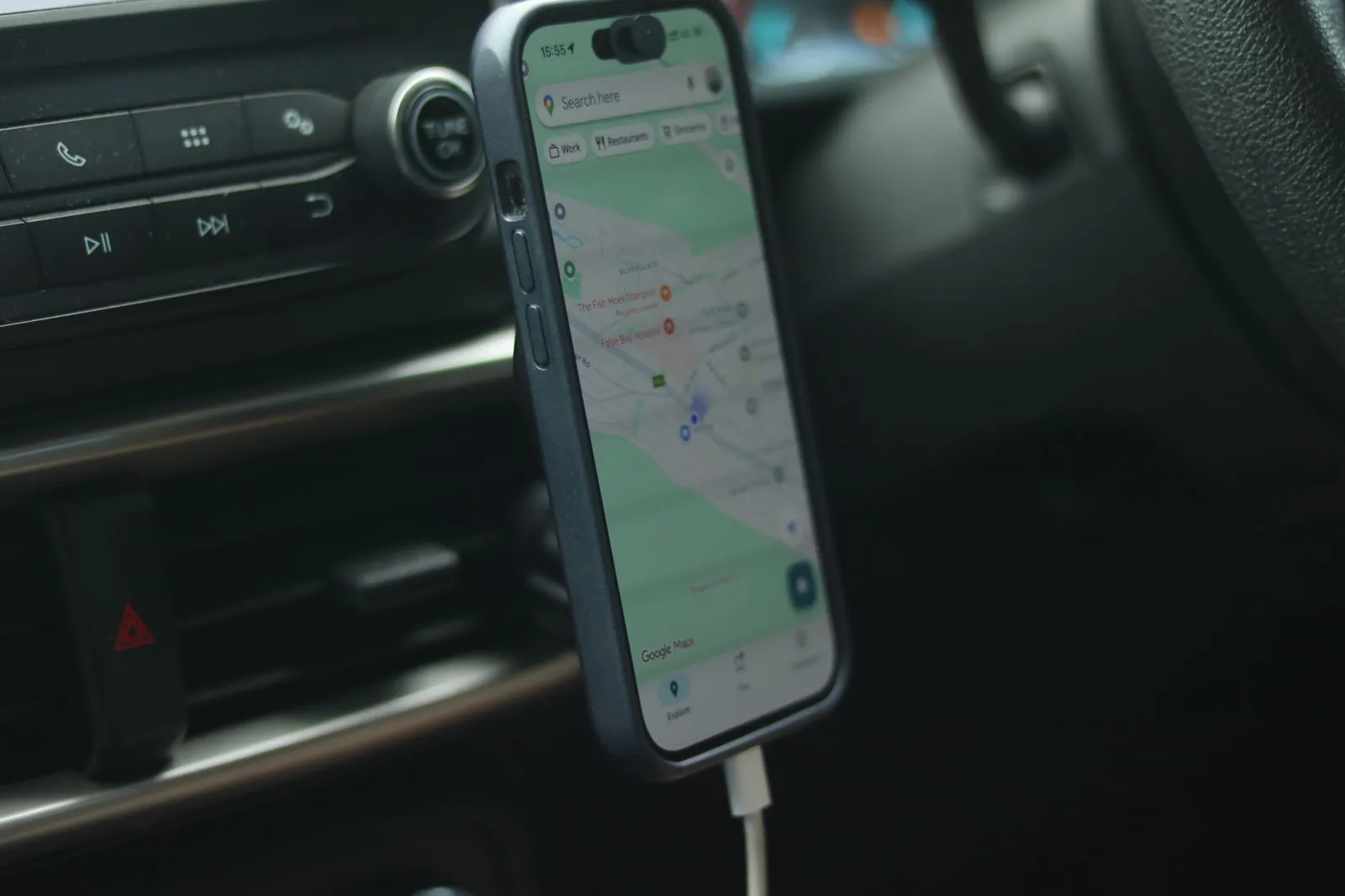

Left: the map pack on a phone, the whole shelf your customer sees. Right: the search under it, where 97% of people read the reviews before they call anyone, including the one from 2019 written entirely in capital letters.
The numbers: reviews and clicks
BrightLocal's 2026 survey of 1,002 US adults found that 97% of people read reviews for local businesses, 41% always do, and 31% will only use a business rated 4.5 stars or higher. A third of your market has decided 4.3 is failing. You were proud of 4.3 and told your mother about 4.3. Ignore that and the profile with more recent reviews takes the call, every time.
The clicks agree: First Page Sage's tracking puts the first organic result at 39.8% of clicks, the second at 18.7%, and the tenth at 1.6% on a plain results page, and position ten is where clicks go to die quietly. The crowd is big too: IBISWorld counts more than 132,000 plumbing businesses in the US, and the homeowner is choosing between three of them. The other 131,997 are also very good at plumbing. Doesn't matter.
Nobody has ever sat on the couch on a Sunday and thought: you know what, I'd love to read about drains today.
The whole plan, in order
Six moves, in this order. The free ones go first because they move first. The slow ones go next because they need the head start, like the friend who leaves for the airport four hours early and has never once been wrong.
Plumbing keywords: the ones that ring the phone
Plumbing keywords come in four families: emergency and service, then cost and city. Each one wants its own page. Most plumbers point all four at the homepage, which is like answering every question at a party with your full name and date of birth. People stop asking.
The emergency family is the money, and it's where the least SEO happens. Every plumber assumes “emergency plumber” is too competitive and backs away from it like a dog that's heard the vacuum. In most metros the winner isn't a national brand. It's whoever bothered to make a page called Emergency Plumber with the phone number at the top and reviews under it, and bothering is most of the strategy.
“Water heater repair” doesn't want a paragraph next to eleven other things. It wants its own page. Write it once and it works nights and weekends and never asks for a raise.
Four families, four kinds of page
Match the family to the page, and the page to what the searcher wants.


Left: every lead starts as a drip, and the question is who answers before it becomes a puddle with opinions. Right: the results page is the new phone book, except it only lists three of you and re-sorts itself every night while you sleep.
How to pick plumbing SEO keywords without buying a tool
You can pick plumbing keywords with nothing but Google and ten minutes. Search the phrase and look at the top ten. Six or more plumbing companies means it wants a service page. Six or more guides means it wants a blog post.
That's the whole method, and I'll die on this hill: it beats most paid tools, because it shows what Google actually wants instead of what a database thinks people type. Two free extras: the "people also ask" box is a list of your customers' questions, and autocomplete on "plumber" plus your city is real searches in the order real people make them. Free, like the mints by the door. About as trusted, too.
I've watched owners buy a $130 a month keyword tool, colour-code a 4,000-row spreadsheet, and never build a page. The spreadsheet was beautiful. It's on the fridge now. The kids have drawn on it.
How to get plumbing leads out of the traffic
Getting plumbing leads from SEO is two problems: getting found, and answering fast enough to keep the job. Most plumbers solve the first and lose the second. A lead that fills in your form and hears nothing for two hours has already called someone else, and the someone else didn't rank higher. They just picked up.
So every form fill and every missed call gets a text back within seconds. Not “we'll be in touch”, which is what people say after a bad date. A real message says we've got it and who's coming, with a number to call if it's urgent. If an agency has run your marketing for a year and never once said the words speed to lead, that wasn't an oversight.
Nate's exteriors company went from sticky notes and dropped follow-ups to every lead answered, with $45,000 a year in reception costs gone. A lead-handling result, not a ranking, and he confirmed the numbers himself.
What we see in the field
Three things from businesses we've actually sat inside. Both results are confirmed by the owners, and the first is founder history rather than a client result. None of it is an SEO ranking. We'd rather say that now than have you find out the way people find out about the calories in a muffin.
What plumbing SEO costs to do right
[putting the sales hat on for one paragraph] Anywhere from nothing but evenings to a few thousand a month on a retainer with no end date, the kind that outlives the person who signed it. Our version is one build: $9,500 for eight weeks, then it's yours. What moves the price is how many services and cities you cover, and whether your site can take new pages or needs rebuilding first. There's the number, and the hat's off now because it was itchy.

What each route costs
Four routes, one table. It's the question everybody actually came for, so I put it in a box.
Mistakes we see most often
Questions plumbers ask us
When to get someone to build it
The point where it stops being sensible to do alone is when summer is closer than your evenings are long. If you're doing $25,000 a month or more, our eight-week build does every step on this page and hands you the keys. Everything here is what we build in the SEO Sprint, and HVAC companies have their own version of the build.
On timelines, be suspicious of anyone confident, the way you'd be suspicious of a weather app that says clear while you're standing in it. Rankings move when Google decides. The profile moves first and the pages later. I'll show you the tracking either way, mostly so you stop refreshing Google at 6am like it's a lottery draw.
The map pack usually moves before the rest of the site does, and that's the part with the 11pm calls in it. Somewhere around then the phone stops sulking. You'll still check it. We all do.